A pioneering modular approach to road freight electrification accelerates New Energy Transport’s path to market — giving large transport buyers reliable, cost-effective, all-electric freight as diesel volatility reshapes the sector.
June 15, 2026
5 mins
NET responds to diesel crisis with Rapid Deployment Plan
Australian diesel prices have eased since spiking above $3 per litre in April, but the outlook remains highly uncertain. Disruption around the Strait of Hormuz has weighed on global oil reserves through the first half of the year, with analysts estimating that global oil supply has drawn down by close to a billion barrels since tensions in the region escalated.
The scale of available supply is easily overstated. The IEA put global oil inventories at roughly 8.2 billion barrels in February, but most of that is “operational minimum inventory” — a non-withdrawable base required simply to keep the system running. On that basis, genuinely drawable reserves may be closer to 1–2 billion barrels. If inventories keep falling, Australia could face renewed diesel price spikes over the next six months that rival or exceed the April peak.
The exposure for road freight is significant. With diesel typically accounting for 20–35% of heavy trucking operating costs, a sustained doubling or tripling of prices would flow straight through to freight rates and place real pressure on thousands of Australian trucking operators. For NET, that same volatility is the clearest signal yet of demand for a credible, price-stable alternative.
Rapid Deployment Project
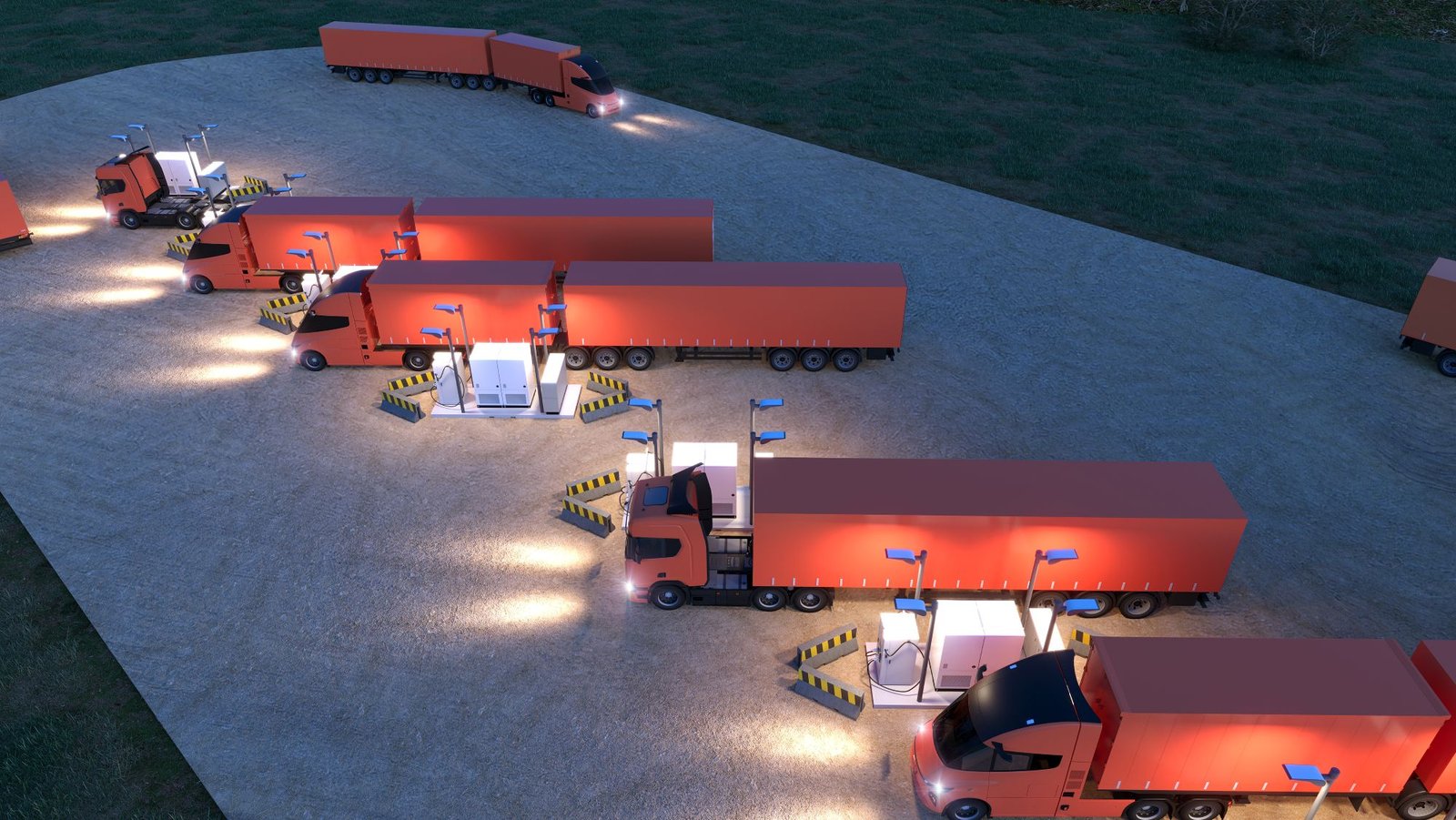
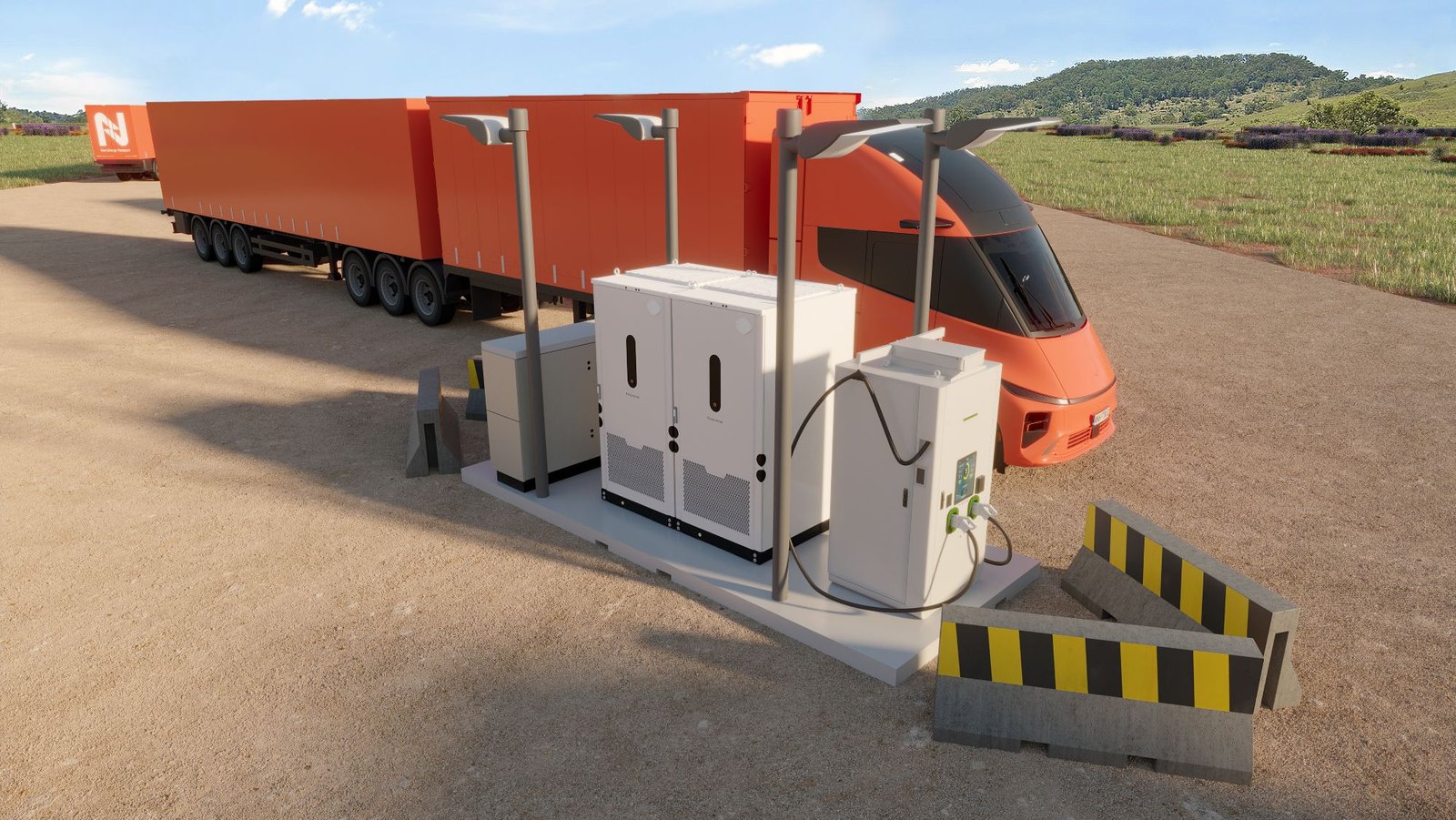
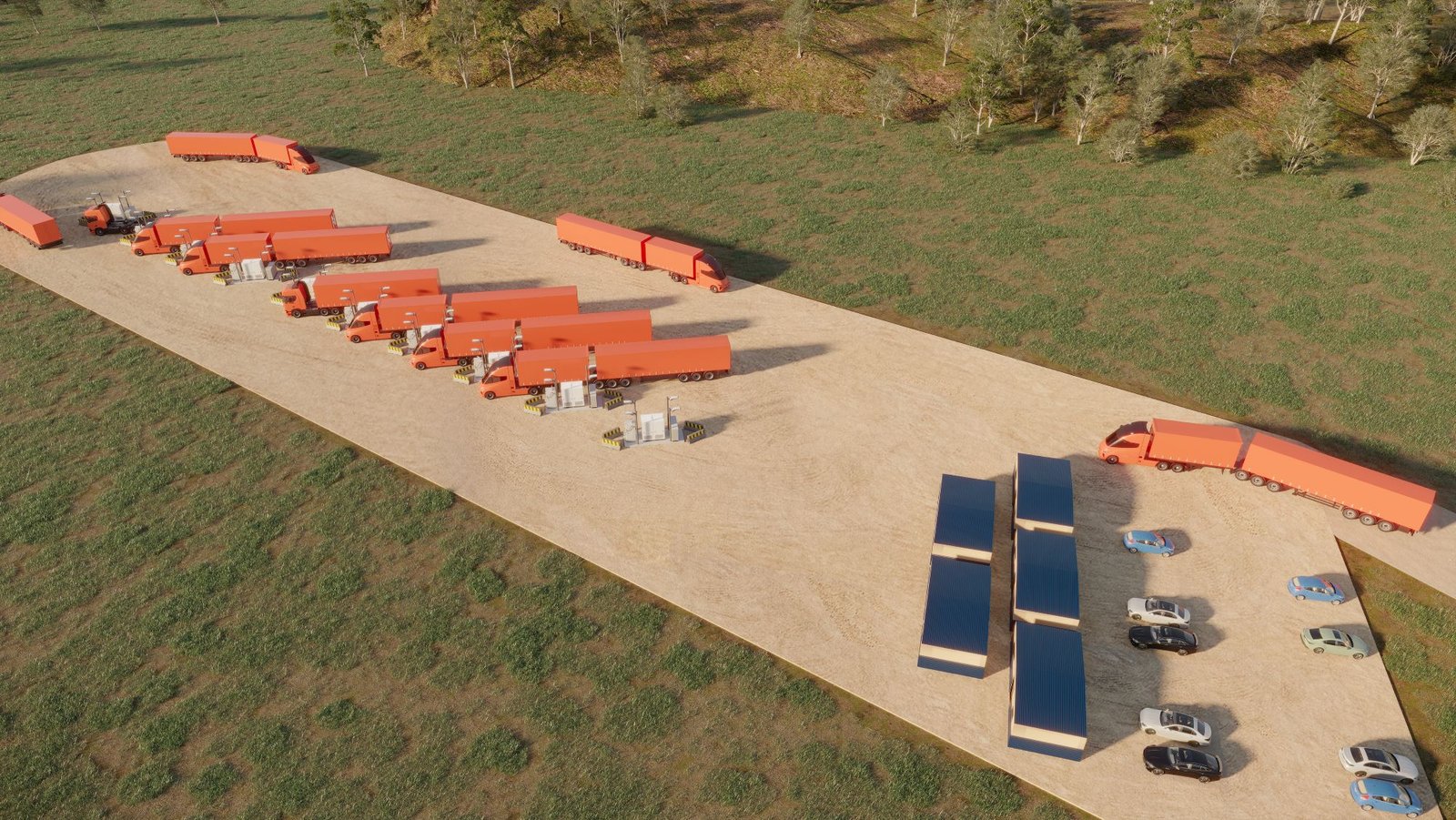
In response to this emerging risk, New Energy Transport has developed a Rapid Deployment Project (RDP). RDP will initially include six mobile, ultra-fast charging units strategically positioned along heavy freight corridors across NSW. The skid-mounted design lets NET stand up charging capacity in months rather than years, sidestepping the lengthy fixed-site construction and grid-connection timelines that constrain conventional infrastructure.
Together, the six units will support 20 heavy electric prime movers and enable up to 10,000 km per day of non-diesel road freight. Each skid pairs a 640 kW dual-dispenser charger with a 125 kW battery energy storage system (BESS) and integrated lighting for safe nighttime operation, a self-contained unit that can be relocated as freight patterns and demand evolve. At full utilisation that is roughly 3.6 million non-diesel freight kilometres a year from the initial deployment alone.
NET expects the RDP site to be operational, including 20 electric prime movers, by the end of 2026.
Non-diesel-based freight from Newcastle to Canberra
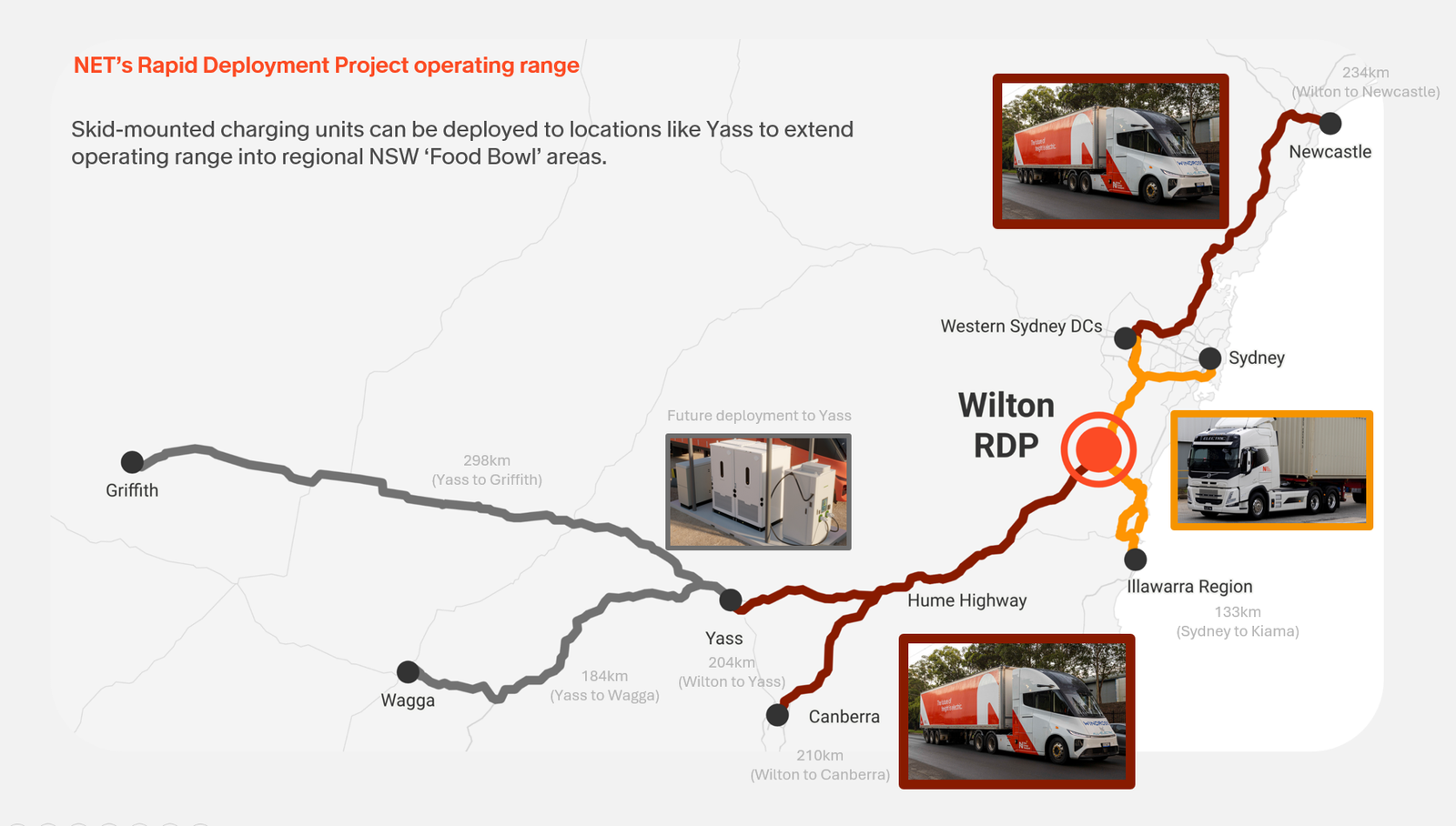
The RDP will enable heavy electric freight operations across the Sydney, Newcastle, Wollongong and Canberra corridors — among the most heavily trafficked freight routes in the country. By covering this network from day one, NET can demonstrate reliable, repeatable all-electric line-haul at commercial scale, rather than isolated pilot runs. These routes link the country’s largest port and population centres, making them an ideal proving ground for electric line-haul.
Proving the model on these corridors gives transport buyers the confidence to commit volume, and gives NET an operating dataset, utilisation, energy throughput and uptime, that underpins the business case for a far wider rollout.
Accelerating truck charging infrastructure rollout
Electric truck production is scaling rapidly worldwide, and the binding constraint on heavy road freight electrification is shifting from vehicles to charging infrastructure. NET’s modular, mobile approach is designed to relieve exactly that bottleneck, deploying capacity where and when it is needed without waiting on multi-year fixed-site builds.
It also strengthens NET’s case for grid access. As competition for connections intensifies, depots that keep essential goods moving without diesel have a strong claim to priority over discretionary loads such as data centres when connection approvals are allocated.
A scalable solution to decouple from diesel
RDP establishes a repeatable, capital-efficient template, modular hardware, rapid deployment and corridor-based coverage that can be replicated across other states and freight networks as electric truck fleets grow. Each additional cluster builds on proven economics rather than starting from scratch.
By moving early, while diesel volatility is sharpening buyer appetite, New Energy Transport is positioning itself at the front of a structural shift in Australian road freight one measured in decades of demand. While NET continues its pre-war plan to build out a fix infrastructure network of high-powered truck charging depots, the oil crisis has served as a catalyst for a new model that provides a “first wave” of infrastructure, enabling faster deployment of electric road freight.